Program:
UWM Research Foundation
Wearable Neurorehabilitation Technology for Stroke Recovery
Technology Sectors:
Health & Bio, Medical Devices & Imaging
The Opportunity: Improving Hand Function After Stroke Many stroke survivors experience persistent hand impairment that limits independence and quality of life. Rehabilitation can be time-intensive, costly, and difficult to sustain after formal therapy ends. The Technology & Current Status TheraBracelet® is a wrist-worn neurorehabilitation device that delivers imperceptible vibratory stimulation designed to enhance hand function
Program:
Medical College of Wisconsin
UWM Research Foundation
Next-Generation Anxiety Therapeutics
Technology Sectors:
Health & Bio
The Opportunity: New Approaches to Treating Anxiety Disorders Anxiety disorders are common, yet existing treatments, including SSRIs, SNRIs, and benzodiazepines, may provide incomplete relief, act slowly, cause unwanted side effects, or raise concerns about dependence. The Technology & Current Status This technology is focused on developing a novel class of therapeutics for anxiety disorders based
Program:
UWM Research Foundation
Novel Therapeutics for Memory and Brain Health
Technology Sectors:
Health & Bio
The Opportunity: New Approaches to Memory Loss and Cognitive Decline Memory impairment and cognitive decline affect millions of people through aging, Alzheimer’s disease, and other neurological disorders. Existing treatments provide limited benefits, creating demand for new therapeutics that improve cognitive function while maintaining favorable safety and tolerability. The Technology & Current Status This technology consists
Program:
Marquette University
Intelligent Motion Systems for Industrial Automation
Technology Sectors:
AI & Data Science, Industrial Technologies
The Opportunity: Making Industrial Machines Safer, Smarter, and More Reliable Manufacturers, utilities, and industrial equipment operators are increasingly seeking automation technologies that improve productivity while enhancing safety, precision, and reliability. As robotics and automation expand into safety-critical environments, manufacturers increasingly need intelligent motion-control technologies that overcome limitations in rigidity, reliability, operator fatigue, and system downtime.
Program:
Marquette University
Preserving Knocked-Out Teeth for Schools, Sports & First Aid – Every Minute Matters
Technology Sectors:
Health & Bio
The Opportunity: Improving Outcomes for Knocked-Out Teeth Each year, children and adolescents lose teeth during sports injuries, falls, and other accidents. When a permanent tooth is knocked out, the periodontal ligament (PDL) cells surrounding the tooth root begin to die rapidly, significantly reducing the likelihood of successful reimplantation and long-term tooth survival. There is a
Program:
Marquette University
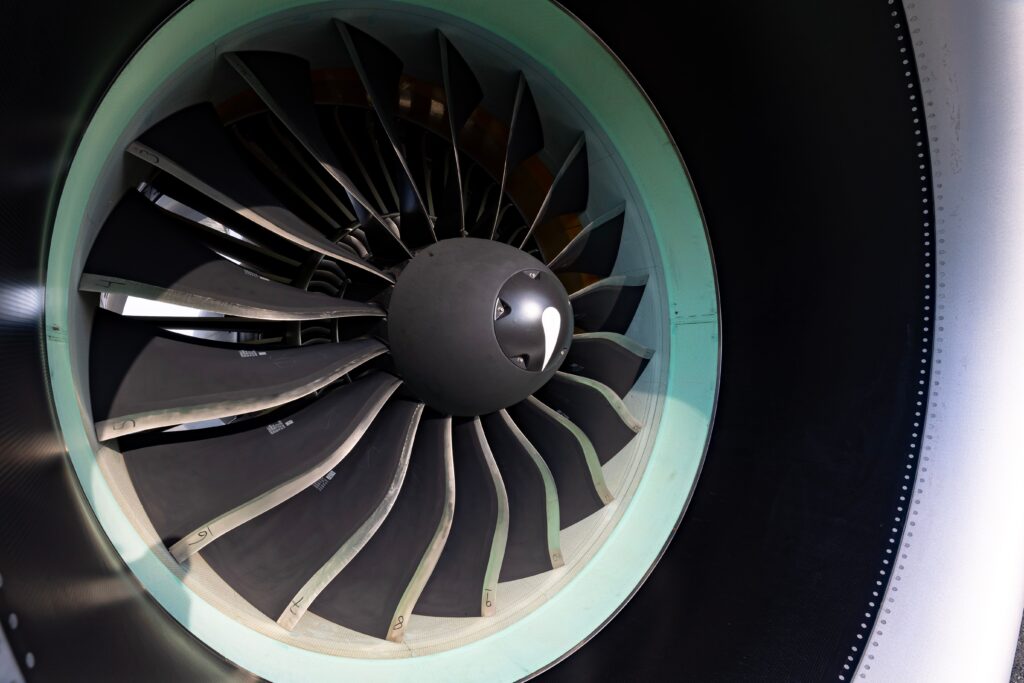
High-Power Electric Propulsion for Aviation and Beyond
Technology Sectors:
Industrial Technologies
The Opportunity: Making Electric Flight Commercially Viable Electric and hybrid-electric aircraft promise lower emissions, reduced operating costs, and new regional mobility solutions. However, widespread adoption remains constrained as today’s electric propulsion systems lack the power density, efficiency, and thermal performance needed for commercial aviation. The industry needs lighter, more powerful electric drivetrains capable of delivering
Program:
Medical College of Wisconsin
MONIQA™: Automated Quality Assurance for Radiation Therapy
Technology Sectors:
Health & Bio, Medical Devices & Imaging
The Opportunity: Making Cancer Treatment Safer and More Efficient | Radiation therapy is used to treat millions of cancer patients each year and requires precise coordination between treatment planning, data transfer, and treatment delivery. While errors are rare, they do occur and can have serious consequences. Safe treatment depends on many quality checks to create
Program:
Medical College of Wisconsin
An Improved Connector Design to Reduce Stroke Risk
Technology Sectors:
Health & Bio
The Opportunity: Safer Blood Circuits for Life-Support and Dialysis Systems | Extracorporeal medical systems such as ECMO, dialysis, and cardiopulmonary bypass rely on tubing circuits that move blood outside the body for treatment. Connection points within these circuits can create disruptions in blood flow that increase the risk of clot formation, blood cell damage, and
Program:
UWM Research Foundation
Multi-Dose IV Delivery Platform
Technology Sectors:
Health & Bio, Medical Devices & Imaging
The Opportunity: Reducing IV Medication Errors and Infection Risk | Intravenous medication administration is essential to modern healthcare, yet frequent IV-line access creates opportunities for medication errors, contamination, and bloodstream infections. Current practice often requires multiple syringes, repeated line manipulations, and complex workflows that increase risk in emergency, critical care, and other high-pressure clinical settings.
Program:
UWM Research Foundation
AI-Enabled Drug Discovery Platform
Technology Sectors:
AI & Data Science, Health & Bio
The Opportunity: Unlocking Previously “Undruggable” Diseases | Protein-protein interactions (PPIs) drive many of the biological pathways involved in cancer, autoimmune disorders, and other serious diseases. Yet many PPIs remain difficult to target because of their complexity and dynamic behavior. As pharmaceutical companies increasingly invest in AI-enabled drug discovery, there is growing demand for platforms that