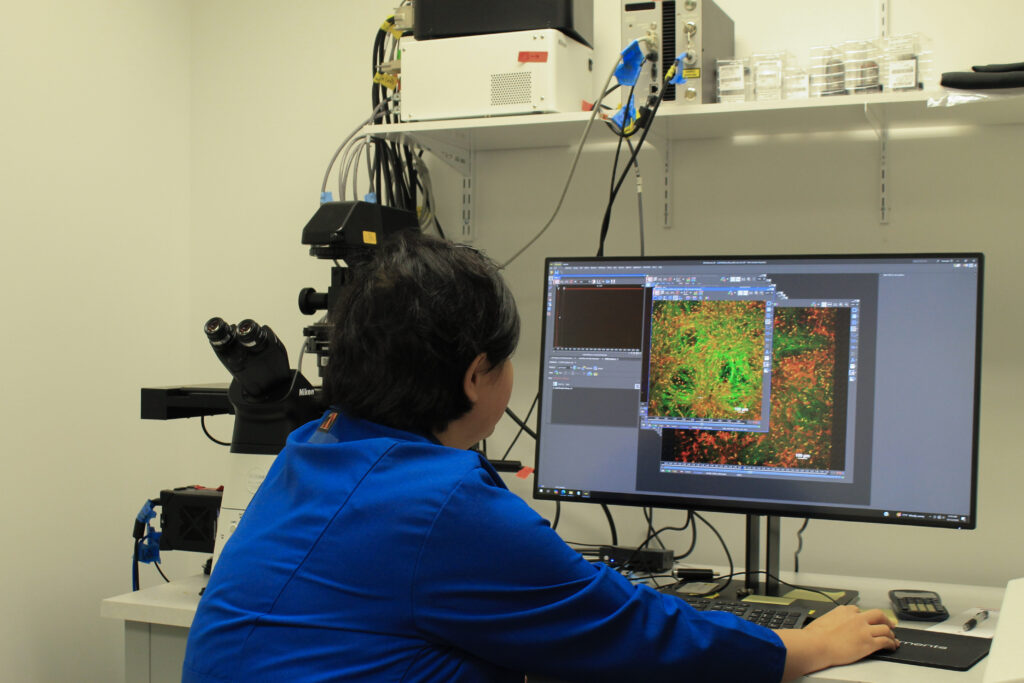
With over ten years of success Stem Pharm continues to expand their business by strategically leveraging programs and funding. Stem Pharm has received $8.5 million spread across nine awards from the SBIR program, accompanied by critical match funding from CTC’s SBIR Advance. Their tenacity for funding has allowed them to not only accelerate and grow their business but is also transforming drug discovery methods and treatment opportunities for Alzheimer’s disease and other neurological disorders.
“Stem Pharm is a drug discovery company using neural organoids, which are stem cell derived simplistic models of the brain we grow in a laboratory to create disease models,” said Steven Visuri, Stem Parm CEO. “Specifically, we are creating models for Alzheimer’s disease and using those neuroimmune-organoid models to do drug screening to find the next generation of drugs to treat Alzheimer’s and other neurologic diseases.”
As the company has grown, support from Wisconsin’s innovation ecosystem has played a significant role in helping Stem Pharm move beyond scientific discovery and build a commercially viable business. According to Visuri, participation in the SBIR Advance program has been particularly impactful.
“We’ve been fortunate enough to get a series of SBIR Advance grants linked to our NIH SBIR grants.”
The program provided much more than funding. Through Lean Launch training, mentorship, and business development support, Stem Pharm gained valuable insights into customer and stakeholder needs and market opportunities.
“The Lean Launch training has been quite valuable, and it’s not just the educational part, the connection to the mentors has been impactful,” said Visuri. He explained that the network, along with the opportunity to pitch and receive feedback, had helped them refine their business model and their pitch.
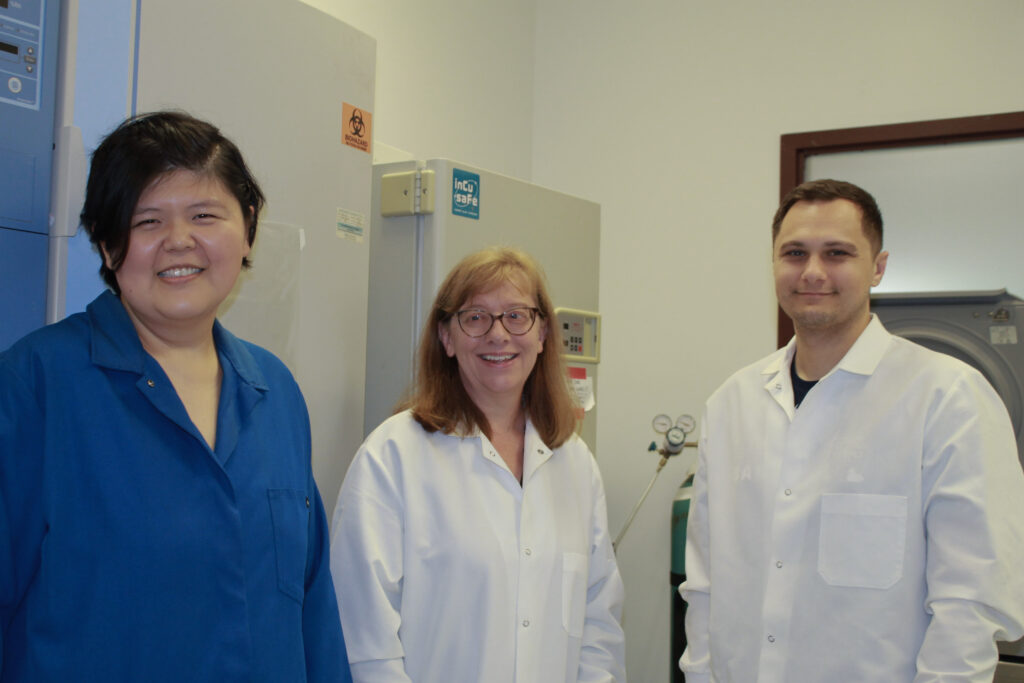
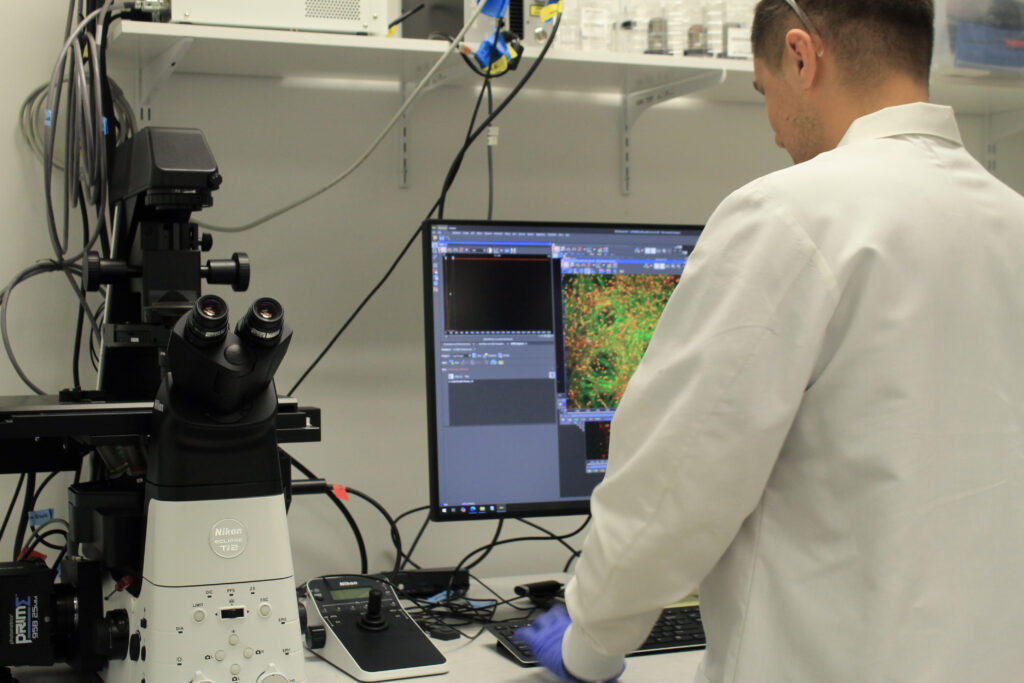
The company also used program resources to strengthen its intellectual property position, attend industry partnering conferences, and engage expert consultants to refine its technical and commercial strategies.
One of the most transformative lessons came through customer discovery. Stem Pharm conducted extensive outreach across the Alzheimer’s care ecosystem, speaking with stakeholders ranging from patients and family caregivers to healthcare providers and payers.
“We’ve talked to probably hundreds of customers and stakeholders,” said Visuri. “Everyone from end users to payers to providers to family members who have these diseases.” Those conversations, he noted, helped the company understand their place in the ecosystem and identify the product-market fit necessary for long-term success.
Wisconsin’s Qualified New Business Venture (QNBV) program has also supported Stem Pharm’s growth by helping attract investor interest.
“It’s a financial incentive for investors to invest in Wisconsin-based companies,” said Visuri. “They get a 25% tax credit on their investment, and so it’s just more motivation for them to invest in a Wisconsin-based company.”
Beyond financing, Visuri credits Wisconsin’s collaborative startup environment for helping entrepreneurs access expertise, education, and connections.
“There’s a lot of content out there. There’s a lot of seminars and webinars that we attend to network with and learn from the community,” he said.
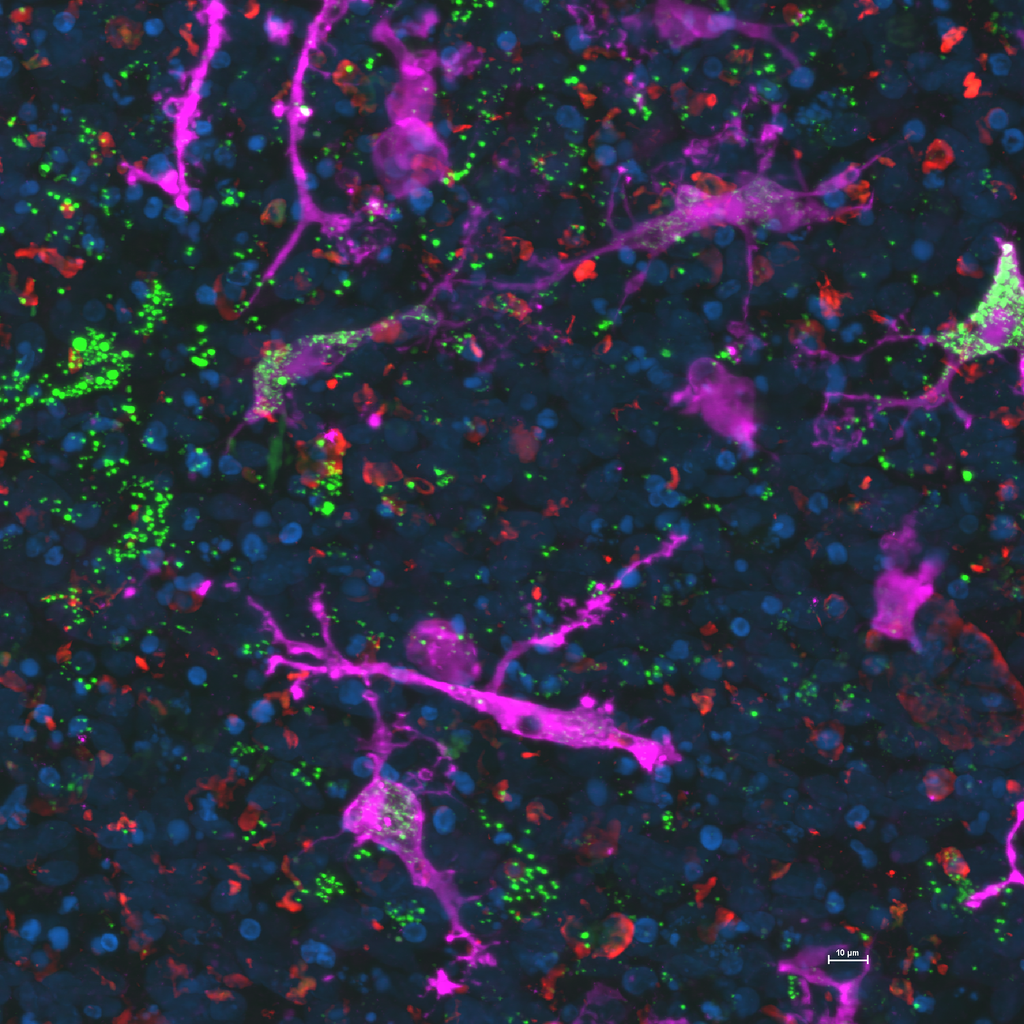
Stem Pharm has also gained public attention for another important aspect of its technology: reducing reliance on animal testing. The company’s human-cell-based models attracted media interest following a news feature that highlighted alternatives to traditional animal research.
“The models that we’re building are based on human cells, so it should be more predictable of human biology,” said Visuri. “It’s a great benefit if we can reduce the use of animals.”
While the reduction of animal testing is an important benefit, Visuri emphasizes that Stem Pharm’s primary goal is developing better and more predictive models for discovering therapies that help patients. Motivation comes directly from conversations with individuals living with Alzheimer’s disease and the families who support them.
“We’ve talked to lots of patients or their families,” he said. “They’re hopeful it’s going to make a difference.” Those discussions provide both inspiration and valuable insight as the company designs new therapeutics.
Looking ahead, Stem Pharm plans to use its organoid platform to screen large chemical libraries, identify promising drug candidates, and advance new therapies toward clinical development.
“In two to three years’ time, we want these lead candidates that we can take through pre-clinical and eventually clinical testing,” said Visuri, referring to compounds that demonstrate strong potential for future clinical testing.
For Visuri, the work is challenging but worthwhile. Whether building cutting-edge disease models, supporting Alzheimer’s research, or helping reshape the future of drug discovery, Stem Pharm remains focused on creating technologies that can make a meaningful difference in patients’ lives. The opportunity to improve treatments for neurodegenerative disease continues to drive the company forward.
Stem Pharm’s experience demonstrates how strategic guidance, customer discovery, mentorship, and commercialization support can help transform promising research into market-ready solutions. Entrepreneurs and researchers looking to commercialize new technologies are encouraged to connect with the Center for Technology Commercialization (CTC) to explore funding opportunities, business development programs, investor readiness support, and connections that can help accelerate their path from innovation to impact.