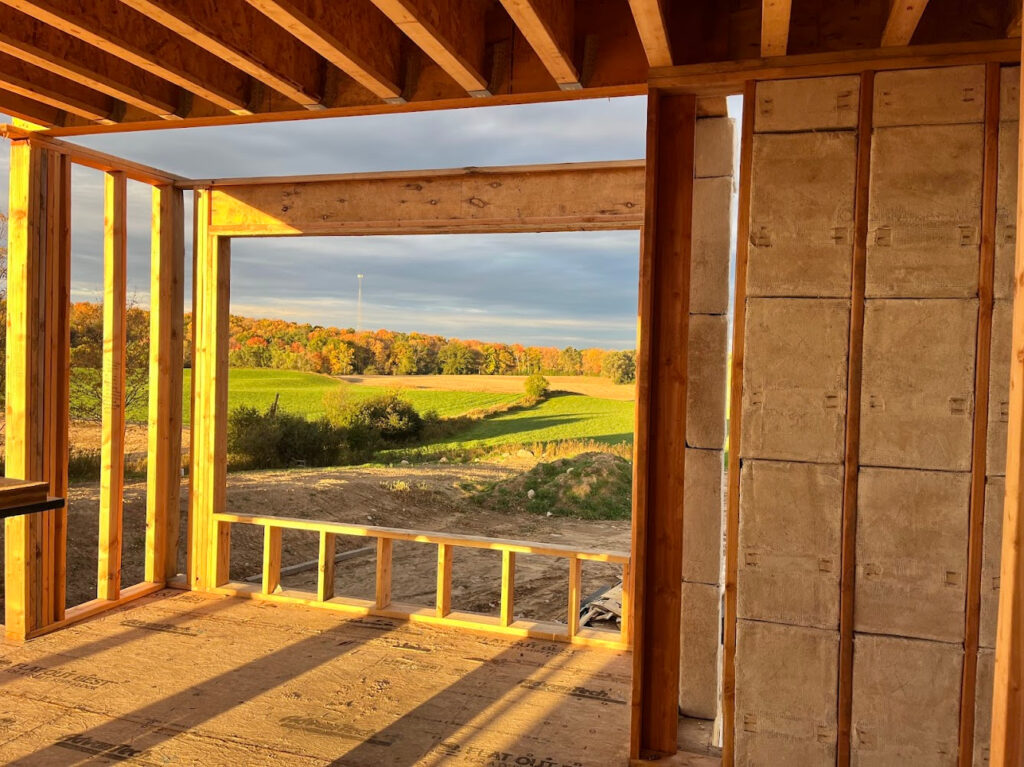
While Sativa Building Systems began as an innovation in sustainable construction, after customer discovery and multiple SBIR awards, it has become more than developing mold resistant building materials. Sativa creates products that solve real-world problems for builders, homeowners, developers, as well as the United States Army. Its flagship Hempcrete Z Panel as well as a promising new hemp-mycelium insulation technology lead this Wisconsin-based company’s success.
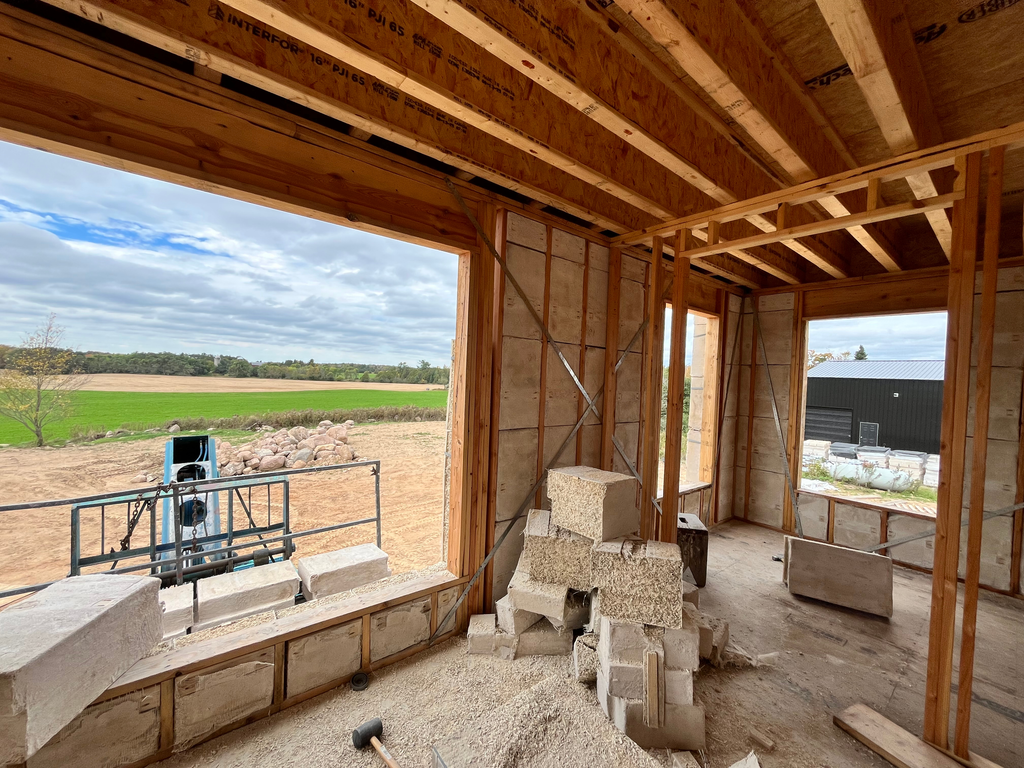
“The Hempcrete Z panel is a precast hempcrete block panel,” said Zachary Popp, Sativa founder and CEO. “It’s used to construct the exterior walls of buildings. We are also doing some research and development with a new hemp mycelium insulation material. It’s obviously very early stage in its development, but we’ve had some promising results.”
To date Sativa has received over $2 million in funding from the U.S. Army’s SBIR program. As Sativa worked to commercialize its technology, Popp paired this award with funding from the Center for Technology Commercialization by participating in the SBIR Advance program. This program helped Popp sharpen his understanding of the market and refine growth strategy. According to Popp, the customer discovery process was one of the most valuable parts of the experience.
Those conversations revealed that customer priorities did not always align with the assumptions the company initially held. While Popp was passionate about certain product features, direct market feedback helped identify the benefits most important to buyers.
“It’s very easy for a company to think that what they find important, everyone else will find important,” said Popp. “For me, I still lead with and tell people my journey started with mold resistance. For the average consumer, that’s not the biggest thing. They value durability. This helped us realize we should focus more on durability aspects. Kind of the same way people will pay a premium for granite countertop or laminate because it’s durable and associated with quality. Those are things we should try to elevate in our marketing.”
Sativa has since achieved multiple significant milestones in its journey including obtaining building code compliance for its products and passing its first quality audit. These accomplishments position the company to pursue broader commercial opportunities and validates years of development work.
“This was huge for us,” said Popp. “We knew we needed to obtain our code compliance report before we had any real market potential. To actually have a product that meets code standards, that was probably the biggest milestone so far.”
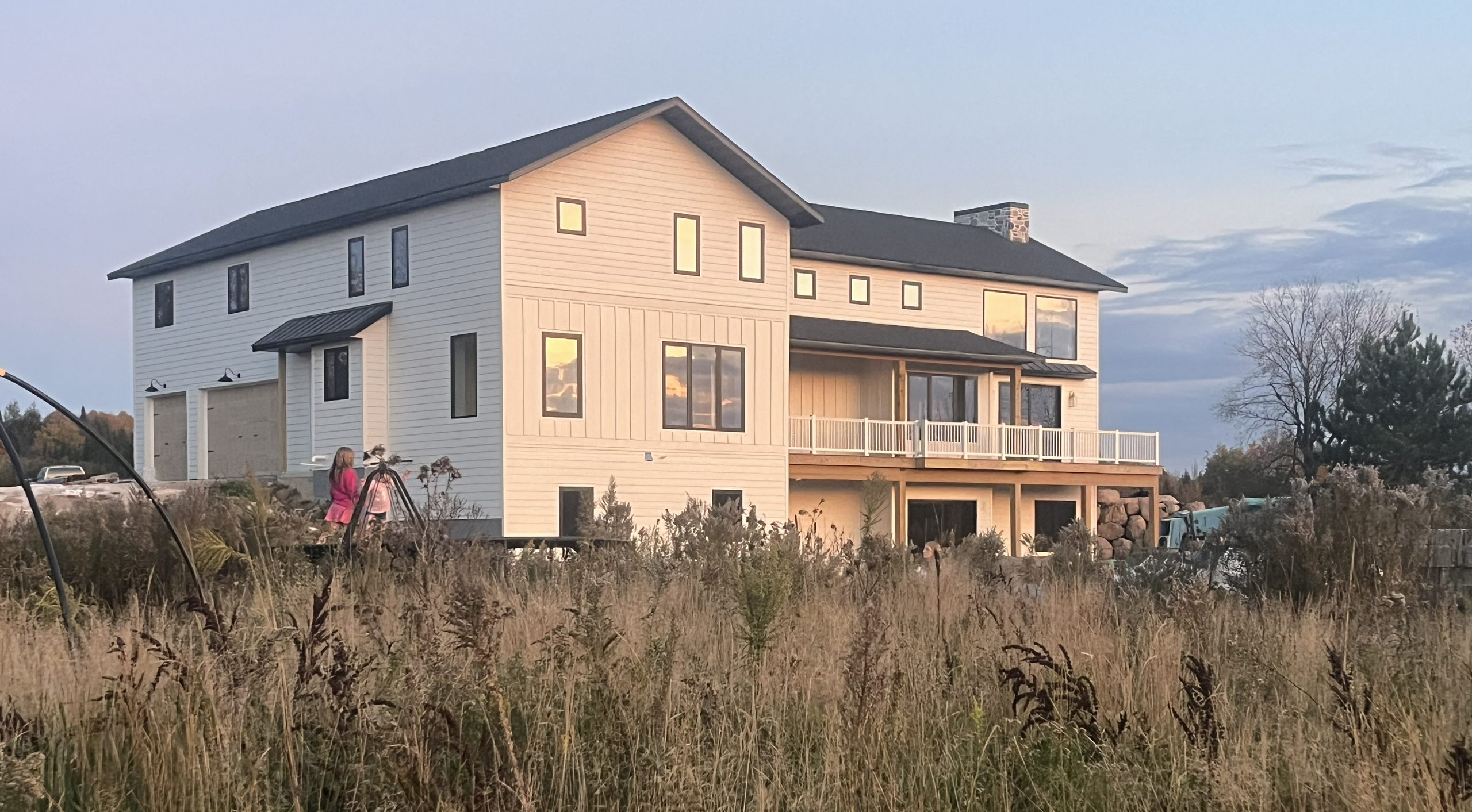
With the regulatory groundwork in place, Sativa is now focused on scaling its business and determining its strongest market opportunities. The company recently completed its first residential construction project, a 3,300-square-foot home built using its technology and is evaluating how best to expand its reach.
Looking ahead, Popp’s vision is centered on building a sustainable, revenue-generating company that can thrive independently in the marketplace.
“I hope we have pinpointed our best market opportunity,” said Popp. “We’re not sure if shipping direct to customers for residential homes is our best opportunity. We are leaning now maybe more towards using Z panels in panelized wall construction.”
Ultimately, the goal is long-term commercial success.
“I do not want to be a company that’s just relying on grants,” said Popp. “If we’re a company pulling in $10 million in revenue and X amount in profits, then I’ll feel like we’re standing on our own two feet. That’s where I would want to be.”
Sativa’s progress demonstrates how innovative technologies, customer-driven product development, and strategic commercialization support can help emerging companies move from concept to market. Entrepreneurs and innovators seeking to accelerate their own path to commercialization are encouraged to connect with the Center for Technology Commercialization. Through programs such as SBIR Advance, customer discovery training, business development support, and funding guidance, CTC helps Wisconsin companies transform breakthrough ideas into successful, growth-oriented businesses.